Fractional HR & Talent leadership,without the full-time hire
Talent Toolbox is a fractional HR and Talent practice in Calgary, Alberta. Executive-level talent strategy, succession planning, leadership development and workforce transformation for organizations building the workforce capability an AI era actually asks for.
You need Talent leadership, not a full-time hire
A restructure, a skills gap, a succession gap, a board asking what the AI plan is. Executive-level Talent work, at a fraction of a full-time hire.
Working out what your own role is becoming
Free assessments and practical resources, with nothing to buy. Somewhere to think it through, not a course to sign up for.
Fractional Talent Executive
Executive-level Talent leadership, without the executive hire. Embedded in the business rather than presenting to it, at whatever rhythm the work needs.
Embedded
One to two days a weekA live transformation, a restructure or an operating model change that needs someone inside the business. Typically three to twelve months.
Advisory
A day or two a monthAn HR team of one, or a founder who needs an executive to think with before the decision rather than after it.
Project
Fixed scope, fixed priceA competency framework, a succession design, a skills plan or an AI adoption plan, with a defined end.
What that has produced
Results from 25 years inside enterprise Talent functions, at organizations between 1,200 and 13,000 people.
Productivity gain from a cross-functional AI pilot and community of practice.
Leaders covered by succession plans, with 90% of critical roles supported.
Time-to-hire, alongside driver onboarding streamlined by 35%.
Topline revenue added through onboarding efficiencies.
I worked with Alison on the Human and Organizational Performance Roadmap at ENMAX, a complex multi-year initiative. She was organized, professional and knowledgeable, and brought structure and clarity to the work. She was a thoughtful, collaborative partner and someone I would be very happy to work with again.
The Talent Toolbox Framework
The three areas most organizations need at once but rarely have in one person, each measured on the same maturity ladder so you can see where you stand.
Future skills
Knowing which skills the work will need next, and building them before the gap shows up as a vacancy.
- Talent strategy
- Workforce planning
- Talent development
- Recruiting
Workforce transformation
Change that survives contact with the people who have to do the work differently.
- Enterprise transformation
- Organizational design
- Operating models
- Organizational effectiveness
Leadership effectiveness
Leaders who are ready before the role opens, and who learn from the work rather than blame it.
- Leadership development
- Succession and high-potential management
- HOP implementation
- Safety culture transformation
Start with an assessment
Short, reflective and free. Nothing resolves to a score out of 100, because a number is not something you can act on. Every result names a pattern and a first step.
No account needed to see your result.
What is your learning style?Sample output
Resources
What a learning team actually does
A short structured session where the people who do the work describe how it really happens. It surfaces risk that no audit or policy ever will.
July 30, 2026 / Article / 2 minSafety cultureBlame is a design choice
When something goes wrong, finding the person responsible feels like an answer. It is usually the fastest way to guarantee the same thing happens again.
July 29, 2026 / Field noteTransformationThe adoption gap nobody budgets for
Transformation budgets cover the build and the launch. They rarely cover the weeks after, which is exactly where the change is won or quietly lost.
July 26, 2026 / Article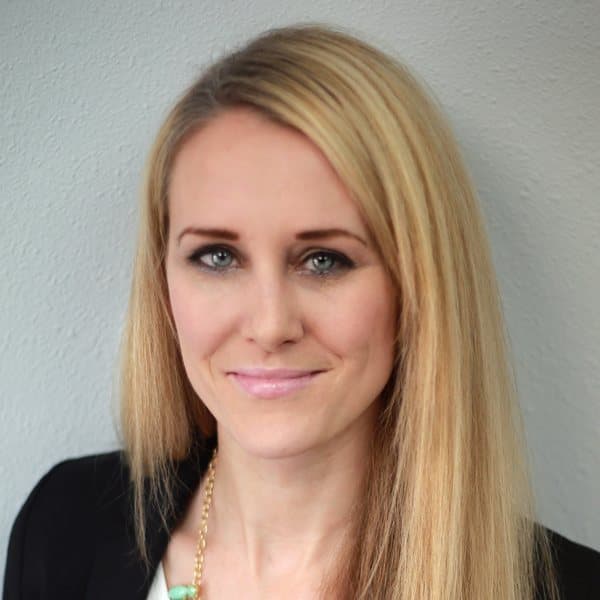
Alison Yarwood
FounderI spent my career building Talent functions inside large organizations. I started Talent Toolbox to put that experience to work for the ones that need it without needing it full time.
Trimac Transportation, ENMAX, Pembina Pipeline and Shaw Communications. 2024 Canadian HR Awards Excellence Awardee.
- Talent strategy
- AI adoption
- Leadership development
- Safety culture
What happens after you get in touch
- A free 30 minute call. Virtual, no material to prepare. We work out what you are actually trying to accomplish and by when.
- A written quote in two business days. Scoped to those goals and that timeline, so you have something you can take to a budget conversation.
- A follow up, after you have read it. No pressure in between. If the answer is that you do not need me, that is a useful outcome too.
Straight answer
A discovery call is not a sales call. There is no deck. Plenty of them end with a recommendation to do something other than hire me.
Questions people ask first
What does a fractional Talent Executive actually do?
The same work a VP or Director of Talent would do, for part of a week rather than all of it. That means owning the thing rather than advising on it: building the competency framework, running the succession process, fixing the hiring workflow, leading the restructure.
The difference from a consultant is that I am inside the business. I sit in your meetings, work with your leaders and leave the capability behind when the engagement ends.
What size of organization is this for?
Most often somewhere between 150 and 2,000 people. That is the range where the Talent work has outgrown what a generalist HR team can absorb, and where a full-time executive is hard to justify.
I have worked with organizations from ten people to more than thirteen thousand, so the range is wider than that in practice. The better question is whether the problem is a capability problem.
How is this different from hiring a consultant?
A consultant usually diagnoses and recommends. I do the work.
You are also not paying for a firm. There is no team of analysts learning your business on your budget, and no handover to someone more junior after the pitch.
What does an engagement cost?
It depends on the shape and the length, so I do not publish a rate card that would be wrong for most people who read it.
You get a written quote within two business days of the discovery call, scoped to what you actually said you needed. That is something you can take into a budget conversation without committing to anything.
We already have an HR team. Where does this fit?
Usually alongside them rather than over them. A capable HR team can be fully occupied with employee relations, payroll and compliance and still have no room for succession planning or a competency framework.
I take the piece that needs senior Talent experience, and your team keeps running the business. Part of the value is that they learn the work rather than outsourcing it permanently.
Do you work with organizations outside Alberta?
Yes. The practice is based in Calgary and most engagements run remotely, with time on site where the work genuinely needs it, such as a workshop or a leadership session.
I have led Talent functions across North America, so distributed and multi-site workforces are familiar ground.
Something not covered here? Ask on a discovery call.
Talk it through before you commit to anything
Thirty minutes, no material to prepare, no obligation at the end of it. If the answer is that you do not need me, that is a useful outcome too.